Climate Change Connection: Why St. Paul Allergy Season Is Intensifying Annually Permafrost And Wetland Emsions Could Cut 1 5c Carbon Budget ‘by Five
They can instead use that energy to produce more pollen #spectrumnews for more on this and the latest news from across the cou. Data shows that between 1990 and 2018, the amount of pollen in the atmosphere increased by 21% across north america
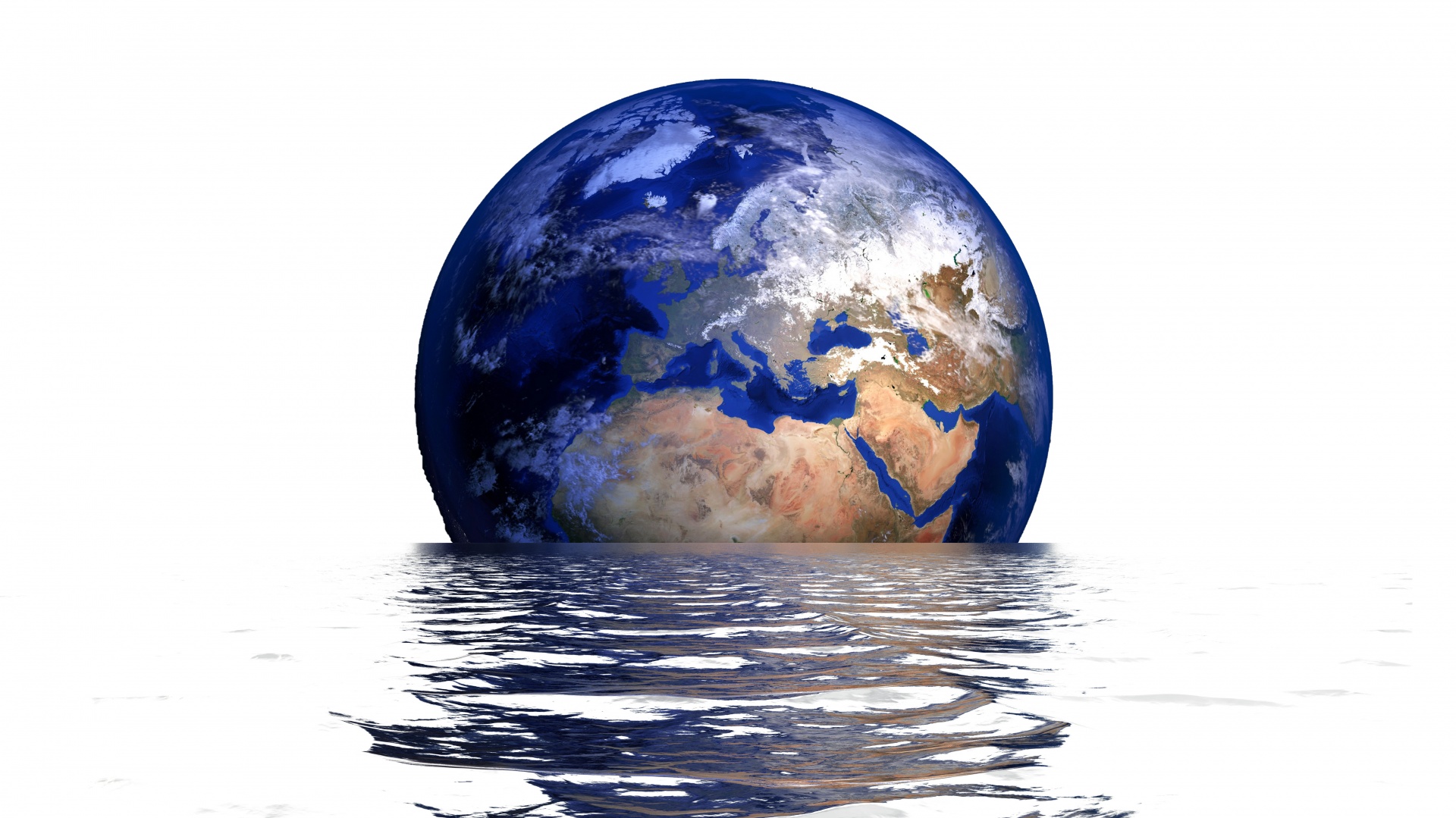
Climate Change Free Stock Photo - Public Domain Pictures
Advice to help with allergy season so, whether your allergy symptoms are getting worse or new allergy symptoms are suddenly kicking in, here's some advice: Research in the planet's temperature is affecting plants that contribute to allergies Unfortunately, the last few years' allergy seasons have hit hard, causing around 3.8 million missed work and school days annually
- Community Heritage Projects Secure The Future Of Oak Road Lutheran Church
- Social Media Erupts Over New Saint Pauls School Admissions Policy Is It Fair
- The Unseen Twist How Orphan First Kill Changed Its Original Ending
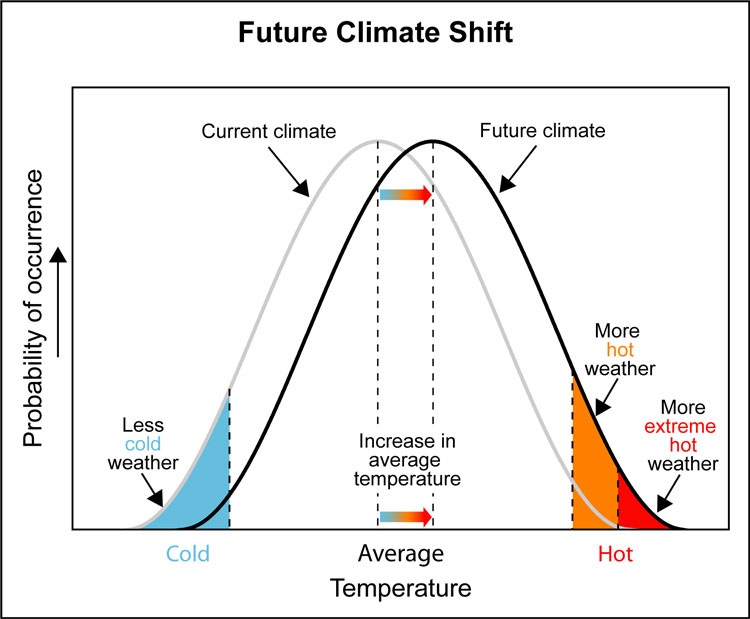
The simple explanation is that the warming climate is contributing to an allergy season that lasts longer and causes more severe symptoms.
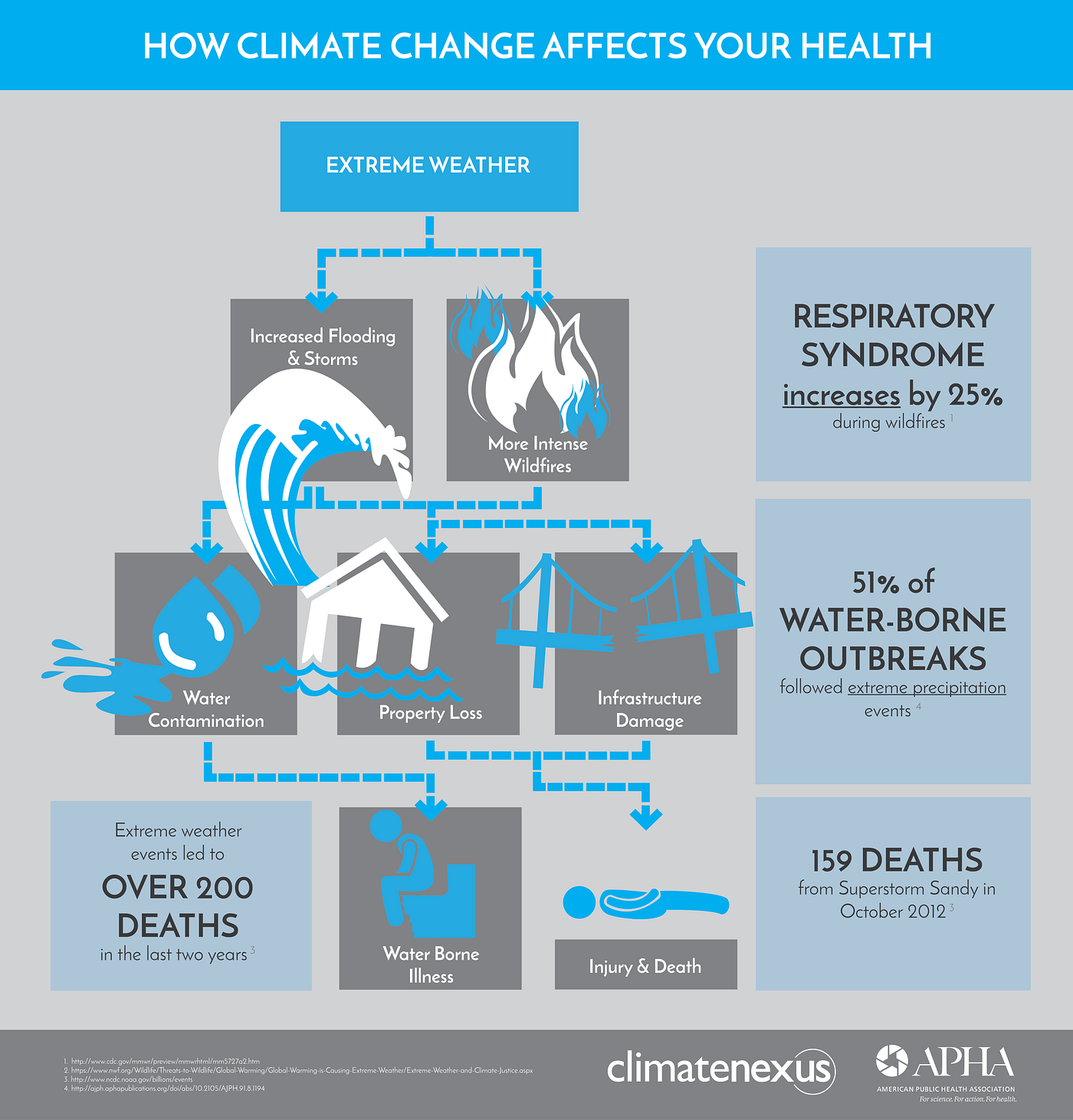
Experts say climate change is driving longer, more intense allergy seasons Here's why your symptoms may feel worse this year—and what you can do to feel better. Climate change will continue to impact allergic diseases in direct and indirect ways Rising global temperatures are contributing to increased duration of pollen seasons, altered aeroallergen production and potency of allergens, and changes in the geographic distribution of allergenic plants that drive increased human exposure to aeroallergens and increased allergic disease morbidity
Bad news for allergy sufferers Climate change may make your seasonal allergies last even longer Scientists developed a model accounting for how different warming scenarios could. Longer growing seasons and increased pollen production driven by climate change could be aggravating your seasonal allergy symptoms
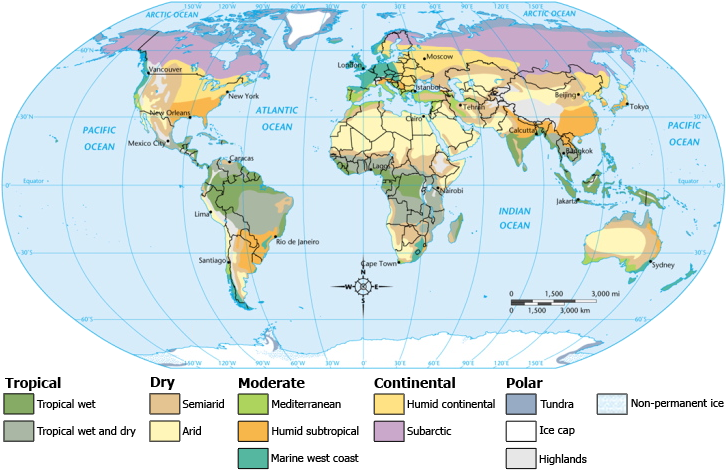
Experts say climate change and carbon emissions are leading to longer seasons
Here's how climate change is intensifying tree pollen, ragweed and other allergens, making seasonal allergies and allergic asthma worse for millions of americans. Sneezing and sniffles are some of the sirens of climate change Seasonal allergy sufferers are being hit with more pollen over a longer season due to rising temperatures alongside extreme allergy events like thunderstorm asthma. Tara narula breaks down a new report on how climate change is intensifying allergy season.subscribe to gma's youtube page
Tara narula breaks down a new report on how climate change is intensifying allergy season. Fall allergies are intensifying as climate change has extended pollen seasons by more than 20 days compared to 1990 Ragweed and moldy fallen leaves are the primary culprits, triggering everything. Tara narula breaks down a new report on how climate change is intensifying allergy season
For this reason, several cities drastically jumped in the allergy capitals ranking this year
It is the season of misery for millions of people in this country who suffer from the runny nose, sneezing, and congestion of allergies Climate change is making pollen season longer and more intense, which could worsen health effects for millions of americans with seasonal allergies and asthma.