The Grain Train — Reshaping 2026 Global Food Supply Amid Climate Volatility Impact Of Change On Chains Starting To Be
Climate change impacts like heavy rain are already disrupting global food systems Tariffs on imported goods — and the near guarantee of retaliation from other countries — challenges trade and overall global food consumption growth. China, the world's largest agricultural producer, is taking action.
How Inflation and Supply Chain Issues Are Reshaping Fast Food
Extreme weather is disrupting crops, supply chains, and food security worldwide It's true the implementation of u.s From rising prices to shrinking harvests, the food and beverage industry faces urgent climate risks
- St Paul Mcallen 2026 Regional Impact Award Celebrates Growth Gains
- The Unseen Twist How Orphan First Kill Changed Its Original Ending
- Decoding The Shift Towards Ai Integration In Every Major Non Profit Org
This article explores the impact on key crops, the tech solutions being adopted, and what more must be done to futureproof food systems.
There's plenty of grain moving through global supply chains right now, but commbank agricultural economist dennis voznesenski says a few risks on the horizon could change the picture in 2026. We need to reimagine and reshape global food systems, writes tafadzwanashe mabhaudhi the united nations' sustainable development goal 2 aims to achieve global food security by eliminating world hunger, improving nutrition, and adopting sustainable agricultural practices.1 this goal is necessary because the global food system is currently in crisis, with over 673 million people globally. The increasing frequency and compounding of extreme weather and geopolitical disruptions may put further strain on global food systems. The world bank's food commodity price index edged down in april, extending the 2 percent decline in 2025q1
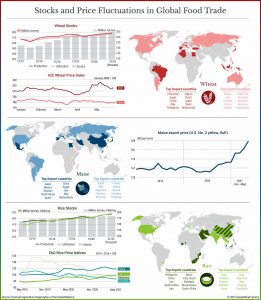
Over the first four months of the year, food prices fell 4 percent compared to the same period in 2024 The decline was led by an 8 percent fall in grain prices driven by improved production prospects in major exporting countries Weaker prices for oils and meals, along with a roughly. Climate change is one of the most pressing challenges facing global agriculture, particularly grain production, which is fundamental to food security
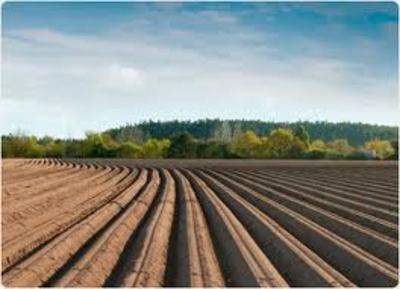
Rising temperatures, altered precipitation patterns, and an increase in extreme weather events are reshaping agricultural landscapes, with profound implications for the world's food systems.
The global grain trade has remained resilient but worsening food insecurity and trade tensions put stability at risk Shutterstock global grain markets stand at a crossroads The global food supply crunch is reshaping world markets as climate shocks, export bans and supply disruptions tighten food availability and drive inflation risk This blog explains how weather volatility, trade restrictions, infrastructure stress and market fragmentation are converging into a systemic food security threat through 2025 and beyond
Introduction the global food supply crunch has. As geopolitical tensions and economic uncertainty reshape the global landscape, supply chains must evolve to remain competitive in a fragmented world The link between increasing per capita food supply and the prevalence of undernourishment is an intuitive yet critical aspect of global nutrition dynamics Undernourishment, as we cover in detail in our topic page hunger and undernourishment, is defined as a caloric intake insufficient to meet minimum energy requirements for adequate weight and.
America has quietly become one of the world's most shock‑resistant economies
Sunrise foods international and port nola's grain terminal could bring decades of harm to new orleans residents In the face of these challenges, businesses are deploying innovative strategies to mitigate tariff impacts Following are five key approaches reshaping supply chains in 2025. Navigating modern supply chain challenges amid currency volatility and economic uncertainty and considering the value of money as a cornerstone to the new phase of supply chain by george girgess in an era marked by geopolitical tensions, inflationary pressures, and rapid technological shifts, global supply chains are under unprecedented stress.
Supply chain vulnerabilities as a major agricultural producer, including among the world's largest corn and wheat exporters in 2021, damage to ukrainian infrastructure, blockades of the country's ports arising out of the conflict with russia, raised anxiety around global food security, particularly for key import markets in the middle east. As the lng industry enters 2026, market prices are stabilizing following recent volatility, supported by expanding liquefaction and regasification capacity worldwide Furthermore, the impact of climate change on specialty crops has forced a rethink of traditional farming geography Is a direct response to the volatility of international shipping and the need for localized vertical supply chains.

The black sea grain corridor, a lifeline for global wheat trade, is at a crossroads in 2025
Russia, the world's largest wheat exporter, faces a confluence of production volatility, logistical bottlenecks, and geopolitical shifts that are reshaping the dynamics of the corridor. Online grocery shopping and curbside pickup is easy with grain train Simply select your items, choose a pickup time, and let us handle the shopping for you. In 2025, the global food trade landscape is characterized by a complex interplay of factors, including shifting consumer demands, climate change impacts, and evolving trade policies
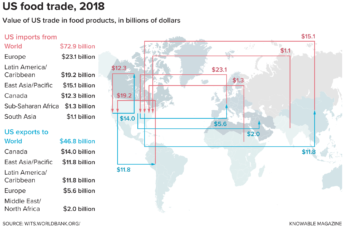
Among these, import tariffs have emerged as a significant influence, reshaping trade flows and affecting stakeholders across the supply chain Global food trade trends the global food trade continues to experience. There's no clear path of least resistance for the global grain markets in 2025