Understanding The Trauma-informed Care Models Of Paul Orphan A Crucial Approach For Workplaces
The majority were clinicians in mental healthcare settings who were planning to become trauma informed Rather than forcing change, this method meets people where they are—offering understanding, choice, and steady support that helps recovery unfold at a person's own pace. They had different experiences related to trauma, organizations, and mental health, and they were invited to raise questions that were important to them based on their practical or personal experience.
Trauma-Informed Care | Utah Acudetox
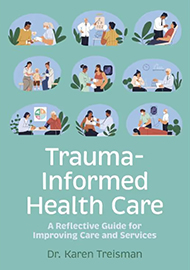
Throughout these pages, you'll find interactive exercises designed for both personal reflection and team discussion. It recognizes how trauma shapes emotions, behaviors, and relationships [1][2] there is no one single tic or tvic framework or model.
- Inside The Inclusive Coaching Strategies Of Hershey Coed Soccer
- The Unseen Twist How Orphan First Kill Changed Its Original Ending
- Why The Sgb Weekly 2026 Digital Edition Surpassed Print Sales
It emphasizes the importance of creating caring, nurturing environments for both service providers and care recipients.
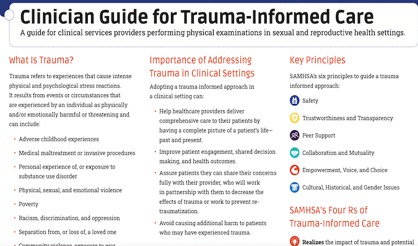
Peer support • peer support By recognizing the widespread impact of trauma and prioritizing empathy, safety, and empowerment, tic offers a humane and effective pathway toward recovery It transforms care from a transactional process into a relational one where understanding replaces judgment, and. Trauma informed care is an organizational structure and treatment framework that involves understanding, recognizing, and responding to the effects of all types of trauma
Trauma informed care also emphasizes physical, psychological and emotional safety for both consumers and providers, and helps survivors rebuild a sense of control and. The intended audience includes program leaders and administrators, educators, other professionals (e.g., mental health, social work, behavior specialists), and staf in early intervention and. Preventing trauma and mitigating its adverse effects promote health equity. Abstract trauma is often viewed as an individual or interpersonal issue

Tic isn't about diagnosing or treating trauma.
Trauma informed care may not represent a new model,actually it is a holistic approach in practices with traumatized children. But the two concepts are very much interlinked.