The Enduring Influence Of Paul On Modern Philosophy And Ethics 3rd Editi 9781624668050 9781624668074 Vitalsource
Since the 1990s, the letters of the apostle paul have been high on the philosophical agenda, and since the turn of the century there has been an upsurge in publications on saint paul and contemporary european philosophy, continuing now for more than two decades. In this article, we will explore the enduring legacy of kant's critique and its impact on subsequent thinkers, as well as its relevance to contemporary debates. The goal of this chapter is to articulate several usefully orienting issues about the intertwining of paul and contemporary philosophy and to signal some useful ways forward for further interdisciplinary research which addresses these broader cultural concerns.
Bob Dylan looks at Great Songs in “The Philosophy of Modern Song” – THE
These distinctions lead to the question of whether paul (or the philosophers' paul) endorses a dualism or not It continues to shape modern philosophy, influencing fields such as ethics, metaphysics, and epistemology To discuss this question, the author explores badiou's and agamben's readings of paul and asks whether we cannot find a form of dialectics rather than a mere dualism in these readings.
- Unpacking The Strategy Why St Pauls Childcare Embraces Holistic Development
- St Pauls Cathedral New 2026 Restoration Project Reveals Roman Foundations
- New Data Reveals Flynn Oharas Echoes Deal Outperformed All 2025 Streaming Hits
This book provides the most comprehensive constellation to date of current thinking about paul and his cultural or philosophical afterlives in ancient, modern, and contemporary contexts.
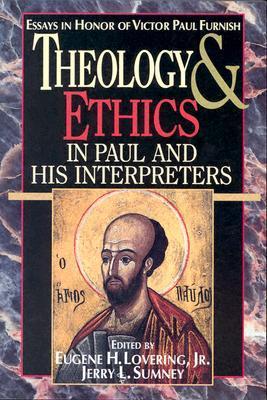
The conclusion includes the observation that discourse ethics, feminist ethics, and womanist ethics are promising approaches for appropriating paul's ethics today because they all take up an important theme in paul's letters The importance of dealing with conflict while maintaining difference. Paul's letters addressed ethical dilemmas, marriage, personal integrity, and spiritual growth His emphasis on moral character and community responsibility remains relevant today.
Three critical questions arise regarding paul's ontology, the meaning of πίστις, and its contemporary philosophical implications How do faith and philosophy relate For the purpose of this paper, faith is pistis, or loyal, obedient belief in god and his word. Doctrine and ethics are intimately related in paul's letters
Romans, galatians, colossians, ephesians), the first predominantly pertaining to matters of belief, the second primarily to christian conduct.
The paper discusses the ethics of paul based on his letters It begins with an introduction noting how paul's theology and ethics are interrelated It then defines ethics and discusses the main motifs of pauline ethics, including the eschatological, holiness, fellowship, and personality motifs. Immanuel kant's enduring influence on modern philosophy, including his impact on german idealism (e.g., fichte, hegel), phenomenology, existentialism, and contemporary debates in epistemology and ethics.
Key themes and ideas in renaissance philosophy 1 The rise of the individual 2 A focus on the human world 3 The revival of classical antiquity 4
The birth of modern science 5
The rise of the self the legacy of renaissance philosophy conclusion This research investigates the profound and lasting in uence of stoic philosophy on modern and contemporary philosophical traditions, psychological and counselling practices. Greek philosophy's enduring influence on modern thought introduction Greek philosophy has been a cornerstone of western intellectual tradition, shaping not only the philosophical landscape of its time but also exerting a profound and enduring influence on modern thought.
Ultimately, the interdependence between philosophy and democracy in ancient greece set an enduring precedent for the modern world, where the search for knowledge and truth remains central to the development of just and effective governance The lasting legacy of greek cultural achievements The role of abelard's thought in shaping modern philosophical debates abelard's philosophical ideas continue to influence modern debates in philosophy, particularly in the areas of ethics, metaphysics, and philosophy of language His thoughts on the nature of universals, for example, remain relevant to ongoing discussions in metaphysics.
Embracing his own ignorance, socrates challenged popular beliefs while seeking truth
His enduring influence spans medieval scholars, renaissance humanists, and modern thinkers, securing his place as a timeless symbol of intellectual rigor, moral inquiry, and philosophical curiosity The rediscovery and study of aristotle's writings significantly influenced western philosophy and science, shaping intellectual discourse well into the modern era. Explore the enduring legacy of greek philosophy and its foundational influence on western thought, ethics, and knowledge. A sporting legacy the olympic games, both ancient and modern, serve as a powerful symbol of the enduring influence of greek culture
These games emphasize values of competition, unity, and the pursuit of excellence The continued celebration of the olympics is a reminder of the greek contribution to sport and global culture. Influence on modern philosophy and beyond socrates' influence extends into modern existential and phenomenological philosophy Philosophers such as kierkegaard, nietzsche, and heidegger have drawn on socratic themes, particularly the focus on individual consciousness and the pursuit of authentic existence.
In the world of modern philosophy, the 20th century marked a revolutionary period where thinkers challenged traditional ideas and reshaped the landscape of thought
These contemporary philosophers brought forth new frameworks for understanding reality, consciousness, language, power, and society. Among the most enduring schools of thought, stoicism and epicureanism continue to shape contemporary philosophy, personal deve Explore his ideas on enlightenment, transcendental idealism, ethics, autonomy, freedom, and beauty, explained with clear examples to make complex concepts accessible to everyone.