The Enduring Online Debate Over Paul Of Tarsus And His Stance On Roman Authority Saint Apostle Early Editorial Stock Photo Stock
Conclusion paul's authority as an apostle is a cornerstone of his ministry and writings Divine calling and commissioning paul's apostolic authority is. His divine calling, recognition by the early church, authoritative teaching, and defense against opposition all contribute to his enduring influence in christian theology and practice.
The Paul-Apollos Relationship and Paul's Stance toward Greco-Roman
Was the apostle paul an early convert to christian belief, or did he remain steadfastly committed to the judaism of his day His apostolic authority is a significant theme in his epistles and is foundational to understanding his role in the spread of christianity In this web exclusive, three pauline scholars, ben witherington iii, nijay gupta, and david christian clausen weigh in on the debate.
- Inside The Sustainable Land Management Techniques Of Branch Kampe
- Market Shock Unexpected Drop In Key Inflation Number Stuns Analysts
- Why The Sgb Weekly 2026 Digital Edition Surpassed Print Sales
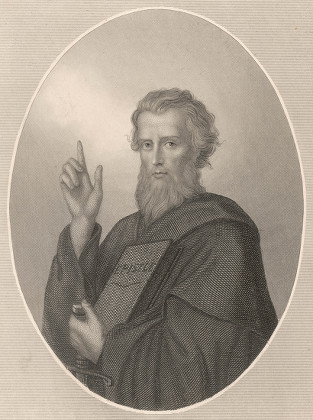
Paul, [a] also named saul of tarsus, [b] commonly known as paul the apostle[9] or saint paul, [10] was a christian apostle (c
[11] for his contributions towards the new testament, he is generally regarded as one of the most important figures of the apostolic age, [10][12] and he also founded several christian. The spread of early christianity across the roman empire was profoundly influenced by paul of tarsus, whose roman citizenship played a crucial role in his missionary efforts Heilig's book enters this debate by contrasting the perspectives of n Wright and john barclay, and engaging with a recent article by laura robinson, which particularly challenges the idea that there would be any need for a letter writer like paul to conceal his (political) message, since the roman state did not exercise surveillance in.
Acts chapter 22 is pivotal, presenting paul's defense before an enraged crowd in jerusalem This chapter is rich in theological significance, highlighting key themes such as divine calling, the universality of the gospel, and the transformative power of conversion Paul begins by recounting his background, emphasizing his jewish heritage and zealousness for god's law, which connects him with. Although paul will use the argument from authority much more than greek or roman orators would have used it, the argument would have had a familiar ring to the ears of his roman readers.
His birthplace the exact year of the birth of paul is unknown to us, however many biblical historical scholars have given a time frame of as early as 4 b.c.e
To as late as 5 c.e Bruce has given the following statement concerning this Saul, who is also called paul, was born in tarsus, the principal city of cilicia, probably in one of. Explore the controversial legacy of saul, alias paul, and his influence on christianity's evolution
Did he corrupt early christian teachings for roman morals Paul's teachings have sparked controversy from the time he began his ministry to the present day While christianity began with the teachings of jesus christ and a small group of disciples, it was paul of tarsus that ensured that christianity became the living religious tradition that is today. Paul was a roman citizen from birth, unlike the roman commander who had bought his citizenship 'with a large sume of money,' which was less prestigious than being born a citizen of rome.

Early life of saint paul
Saul of tarsus key references At the time, tarsus was a thriving roman city known for its cultural diversity, intellectual rigor, and commercial importance 25, the church celebrates the conversion of st Here are eight things you need to know about him — and his conversion
I am a jew, from tarsus in cilicia, a citizen of no mean city Tarsus was the capital city of the roman province of cilicia This is on the southeast coast of modern turkey, so st Theology on the web provides free access to thousands of theological books and articles to over 3 million visitors a year
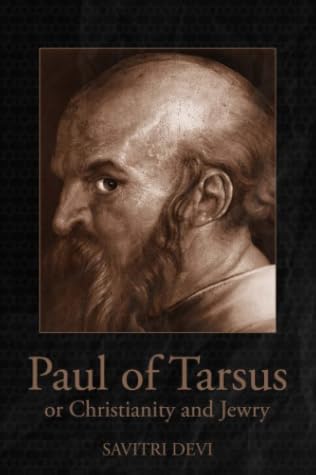
Please consider supporting theology on the web so that this service can remain online home › people › paul of tarsus bibliographies
Saul, also known as paul, paulus, and saint paul the apostle, (ad 5—65) is widely considered to be central to the early development and spread of christianity, particularly westward from judea Many christians view him as an important interpreter of the teachings of jesus Discover 40 fascinating facts about paul the apostle, his life, conversion, missionary work, and enduring impact on christianity. Paul the apostle, originally known as saul of tarsus, is one of the most influential figures in early christianity
His life and teachings have had a profound impact on christian theology and the spread of the gospel His birth in a roman free city grants him roman citizenship, a privilege he will exercise later in life The early religious training paul receives comes from the best rabbinical school in jerusalem. Depending on how the greek participle anatethrammenos (brought up) is understood, paul could be seen as moving to jerusalem with his family early in his life and thus receiving the majority of his education in jerusalem, or he could be seen as receiving his primary education in tarsus and then being sent to jerusalem for more specialized.

Paul the apostle, originally known as saul of tarsus, is a central figure in the new testament, renowned for his missionary journeys and extensive contributions to early christian theology