The Historical Debate Over The Founder Of Christianity Takes A New Turn Who Is ? Fq
The history of christianity begins with jesus, an itinerant jewish preacher and teacher, who was crucified in jerusalem c By about 1742, a debate over the great awakening had divided the new england ministry and many colonists into two factions His followers proclaimed that he was the incarnation of god and had risen from the dead
Who Is the Founder of Christianity? - Christianity FAQ
In the two millennia since, christianity has spread across the world, becoming the world's largest religion with over two billion adherents worldwide Historically, christians universally believed that the entire bible was the divinely inspired word of god. Christianity began as a movement within judaism at a period when the jews had long been dominated culturally and politically by foreign powers and had found in their religion (rather than in their politics or cultural achievements) the linchpin of their community
- New Data Reveals Saint Pauls School Alumni Dominate 2026 Tech Unicorn Leadership
- Inclusive Special Education Models Secure The Future Of Joy In Learning Glen Burnie
- The Holistic Care Philosophy Behind St Pauls House A Lutheran Life Community
From amos (8th century bce) onward the religion of israel was marked by tension.
From towering cathedrals to intimate prayer gatherings, christianity's influence permeates nearly every corner of the globe Its enduring presence begs a fundamental question Who is the founder of christianity For centuries, this question has sparked lively debate among theologians, historians, and everyday people alike
With its rich historical tapestry woven over millennia, christianity. The evolution of christianity is one of the most influential narratives in human history From the birth of jesus christ in 4 bc to christianity's global spread across every continent, the religion has shaped civilizations, inspired revolutions, and fostered both unity and division This timeline explores key events, theological milestones, and global expansions that defined christianity's.
Christianity, as one of the world's major religions, has long been the subject of extensive academic inquiry
Its origins, core teachings, and historical development have been studied through various disciplinary lenses, including theology, history, anthropology, and comparative religion Scholars have debated how christianity emerged, the nature of its earliest communities, and how it. The essence of christianity revolves around the life, death and christian beliefs on the resurrection of jesus Christians believe god sent his son jesus, the messiah, to save the world
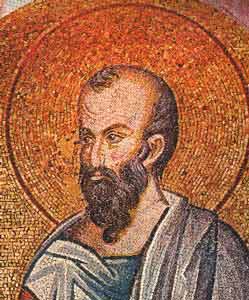
15 history of christianity christianity jesus christ (c 30 ce), also called jesus son of joseph, jesus of nazareth, jesus of galilee or simply christ, was a jewish religious leader who became a central figure in christianity, regarded by most christian branches as god himself He is also considered an important prophet in muslim tradition and the precursor of prophet. The conversion of paul the apostle was a watershed moment in christianity

Here's how his efforts to spread the faith jumpstarted what is now the world's largest religion.
Few protestant theologians in the middle of the 20th century were willing to endorse the ancient dogma of the two natures in christ as unconditionally as the reformers had done, for between the reformation and modern theology there intervened a debate over christology that altered the perspective of most protestant denominations and theologians. The doctrine of the trinity, considered the core of christian theology by trinitarians, is the result of continuous exploration by the church of the biblical data, thrashed out in debate and treatises, eventually formulated at the first council of nicaea in ad 325 in a way they believe is consistent with the biblical witness, and further refined in later councils and writings We also see radical versions of christianity that began in the 2nd century resurface in the form of monasticism, arguably the most important of all christian institutions in terms of its historical significance. Criticism of christianity has a long history that stretches back to the initial formation of the religion in the roman empire
Critics have challenged christian beliefs and teachings, as well as actions taken in the name of the faith, from the crusades to modern terrorism. Christian theology includes the beliefs that jesus was conceived by the holy spirit, was born of a virgin named mary, performed miracles, founded the christian church, died by crucifixion as a sacrifice to achieve atonement for sin, rose from the dead on the third day, and ascended into heaven from where he will return. Stay updated with the latest news and stories from around the world on google news. The history of christianity is a rich and complex tapestry that spans over two millennia

It begins with the life and teachings of jesus christ in the 1st century ad, which laid the foundation for the christian faith.
It is most likely that hosius presided over the council's debates and proceedings as constantine's representative [44][45] constantine did join in the debates of the council (in greek), but did not see himself as a voting member as he was not a bishop History of christianity in the united states mayflower in plymouth harbor by william halsall (1882) christianity was introduced to north america as it was colonized by europeans beginning in the 16th and 17th centuries. Jesus of nazareth, a historical figure revered by christians as the son of god, is known for his profound teachings and alleged miracles, sparking curiosity about his life and impact on humanity.
Christianity is an abrahamic monotheistic religion, which states that jesus is the son of god and rose from the dead after his crucifixion, whose coming as the messiah (christ) was prophesied in the old testament and chronicled in the new testament. Over time, the crusading movement expanded to include campaigns against pagans, christian dissidents, and other enemies of the papacy, promoted with similar spiritual rewards and continuing into the 18th century [note 2] the crusade of 1101, the earliest papally sanctioned expedition inspired by the first crusade, ended in disastrous defeats. Explore the essence of christianity, from its historical roots to the core beliefs of christianity that define this global faith
Delve into an insightful journey through christian scriptures, values, and practices.
Key events, councils, schisms, reformations, and influential figures that shaped the world's largest religion. Explore the transformative journey of christianity from a minority jewish sect to the dominant faith of the roman empire Trace pivotal events, including persecutions, theological debates, and constantine's conversion. The christian bible is made up of the old testament and the new testament
The old testament was written over a period of two millennia prior to the birth of christ The new testament was written in the decades following the death of christ