The Political Reasons Rome Recognized Christianity And Its Founder Rise Of Ancient
The distinction, perhaps already made in practice at the time of the great fire of rome in the year 64. There are most likely more than one reason for his decision. In the last decade of the 4th century the harsh laws against the perpetuation of the old pieties promulgated by theodosius gave impetus and justification to waves of icon and temple destruction, especially in the east
Rome Early Christianity - HISTORY'S HISTORIES You are history. We are
The growth of christianity in the roman empire is a story of unlikely triumph against the odds Rome came first for him and he even sacrificed his family for the continuation of rome From a small, persecuted sect to the established religion of the mediterranean world, the christian faith demonstrated a remarkable ability to appeal to people of all backgrounds and to persevere in the face of opposition.
- Social Media Erupts Over New Saint Pauls School Admissions Policy Is It Fair
- Intergenerational Living Innovation Defines St Pauls House A Lutheran Life Community
- Inside The Sustainable Land Management Techniques Of Branch Kampe
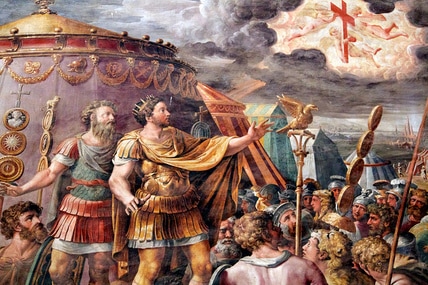
Scholars continue to debate the motivations behind constantine's support for christianity and the nature of his own beliefs
His policies, including the edict of milan and support for the. Religion how did rome become christian The roman empire faced many challenges during the third century, nearly collapsing from pressure on its borders and internal struggles After years of turmoil, a period of more stable government and recovery began around 285 ad, marked by leaders who worked to restore order and build up rome's strength.
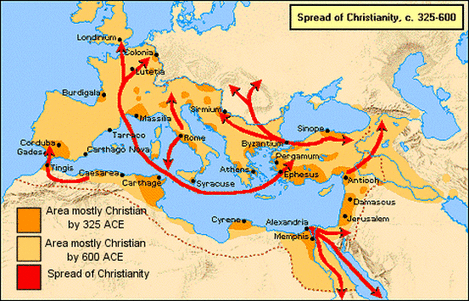
Also, the real reason that led to the spread of christianity was due to the roman empire's political unification and extensive road system, along with the belief among many christians that the religion was something anyone could adopt, regardless of their regional or religious background. One empire, one law, one religion to unify rome's fracturing realms This alliance transformed christianity from persecuted sect to favored religion. Christianity's journey in ancient rome was anything but simple
It faced fierce persecution during its early years but ultimately transformed into a major religion of the empire
This remarkable shift from being hunted to being embraced highlights the resilience of faith and the power of belief in shaping history The early christians lived in constant danger, often gathering in secret to. The interplay between rome's social organization and the dynamic nature of early christianity underscores how deeply intertwined societal structures and religious transformations can be in shaping the course of history.ancient rome played a pivotal role in the spread of christianity by providing a vast and interconnected empire that. It's not a coincidence that the capital of the roman empire became the centre of roman catholicism
Rome's eventual adoption of christianity, after centuries of indifference and periodic persecution, gave the new faith enormous reach. Christianity began as a movement within judaism at a period when the jews had long been dominated culturally and politically by foreign powers and had found in their religion (rather than in their politics or cultural achievements) the linchpin of their community From amos (8th century bce) onward the religion of israel was marked by tension. History of early christianity, the development of the early christian church from its roots in the jewish community of roman palestine to the conversion of constantine i and the convocation of the first council of nicaea

For a more extensive treatment of the history and beliefs of the christian church, see christianity.
The edict of milan, issued in 313 ce by emperor constantine, stands as one of the most pivotal documents in christian history This proclamation granted religious tolerance to christians throughout the roman empire, effectively ending centuries of persecution and laying the foundation for christianity's rise as a major world religion. The history of christianity begins with jesus, an itinerant jewish preacher and teacher, who was crucified in jerusalem c His followers proclaimed that he was the incarnation of god and had risen from the dead
In the two millennia since, christianity has spread across the world, becoming the world's largest religion with over two billion adherents worldwide From teachings of jesus, to early missionaries and the conversion of the roman empire, many factors contributed to the spreading of christianity. This article examines the rise of vatican power, highlighting its historical foundations, political alliances, religious governance, economic strategies, and modern influence Originating from early christianity and saint peter's martyrdom, the vatican evolved into a sovereign entity with significant authority in political matters, particularly during the middle ages and renaissance
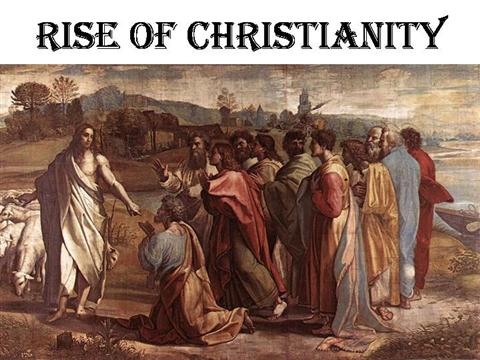
Trace the extraordinary journey of christendom from its origins in the roman empire to its profound influence on modern democratic governance
Uncover the divine promise, pivotal events, and cultural shifts that shaped western values and institutions, highlighting the enduring legacy of faith in history. The belief that christianity was compatible with what we now call paganism helped christianity spread through the roman empire. Some earliest references to the primacy of the bishop of rome can be found in the writings of renowned christian figures such as ignatius of antioch and irenaeus of lyon In their writings, these church fathers recognized the unique position of the church in rome, which was believed to have been founded by peter and paul.
The history of christianity concerns the history of the christian religion and the church, from jesus and his twelve apostles and seventy disciples to contemporary times Christianity is the monotheistic religion which considers itself based on the revelation of jesus christ. The history of ancient rome The christians were not respectful toward ancestral pagan customs, and their preaching of a new king sounded like revolution
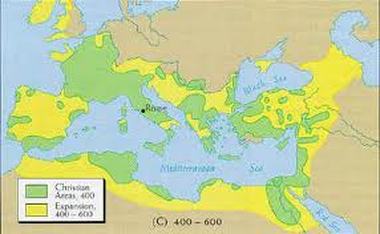
The opposition of the jews to them led to breaches of the peace
Thus, the christians could very well be unpopular, and they often were Paul's success at ephesus provoked a riot to defend the cult of the goddess artemis. Discover the transformation of ancient rome and the spread of christianity, from a mysterious cult to the state religion, shaping the empire's religious landscape. Christianity was first introduced to ancient rome during the early first century
This movement was met with resistance and hostility by the roman imperial and religious establishments Despite persecution, the christian church survived and, toward the end of the fourth century, christianity was officially recognized in the roman empire.