The Rapid Consolidation Of Corporate Eservices Is Creating New Monopolies Assemblymember Anna Kelles Fight
When trying to assess the social value of mergers, the role of data and whether it can contribute to successive monopolies that gradually expand to new markets by eliminating competition must be carefully examined However, it is crucial to carefully weigh the potential drawbacks and challenges associated with consolidation to ensure a successful and sustainable growth strategy. In recent years, the rise of monopolies in the modern corporate landscape has become a growing concern for economists, policymakers, and consumers alike
Assemblymember Anna Kelles | Fight Corporate Monopolies
The international practice of antitrust laws proceeds from the prerequisites of industrial society, in which monopolies operate and compete at the level of real goods From improved operational efficiency and increased market share to access to new technologies and cost savings, consolidation offers numerous advantages Today's realities require a fundamentally new understanding of the relationship between the products and services of technology companies.
- Market Shock Unexpected Drop In Key Inflation Number Stuns Analysts
- St Paul Lutheran Church Catonsville Md 2026 Youth Hub Opens Early
- Viral Drone Footage Shows The Branch Kampe 2026 Green Belt Success
Large technology companies are constantly expanding their global market power through network and economies of scale and creating natural monopolies in the digital world
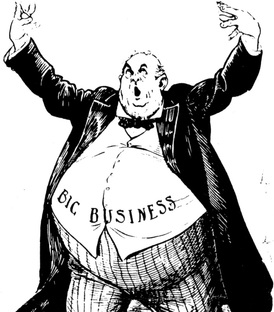
The impact of corporate consolidation 1 The new age of corporate giants in the landscape of global commerce, the emergence of corporate giants has reshaped markets, economies, and even societies These behemoths, often the result of strategic mergers and acquisitions, wield unprecedented power and influence The consolidation of corporations has led to the.
The timing of industry consolidation is influenced by a delicate balance of internal and external factors Internally, a company's financial health and strategic direction can significantly impact the decision and timing of a merger or acquisition. Cracking down on corporate monopolies and the abuse of economic and political power over the past thirty years, growing corporate influence and consolidation has led to reductions in competition, choice for consumers, and bargaining power for workers The extensive concentration of power in the hands of a few corporations hurts wages, undermines job growth, and threatens to squeeze out small.

But can regulation keep pace with the rapid evolution of the digital landscape
Let's explore the main obstacles in overseeing big tech monopolies Defining market power in the digital economy the first challenge in regulating big tech is defining their market power. Innovation is part of the american spirit It is the core of the american spirit
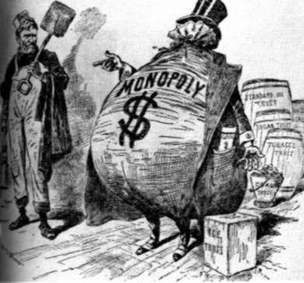
Innovation generates new opportunities and new hopes for businesses, workers, and families The new guidelines will almost certainly help tamp down the current merger wave and prevent further industrial consolidation Trusts were another form of consolidation that emerged during this time They involved one company acquiring controlling shares of multiple companies in the same industry, effectively creating a monopoly

By combining resources and eliminating competition, trusts allowed companies to dominate markets and dictate prices.
Antitrust policymakers failed to halt the rapid consolidation of hospital markets in part because many judges and health policy leaders used to believe, falsely, that hospital consolidation led to. Farmers adapted to the new realities of mechanized agriculture and dependence on the evolving railroad system by creating local and regional organizations that sought to resist corporate control of agricultural markets • the grange, las gorras blancas, colored farmers' alliance c. Vanderbilt consolidated several smaller railroad lines, called trunk lines, to create the powerful new york central railroad company, one of the largest corporations in the united states at the time.
The factors aiding the booming growth of corporations include consolidation, monopolies, stifling competition, modern machinery, and specialists These elements worked together to create an environment where large corporations could thrive and dominate their markets. What was an effect of the rapid industrialization of the u.s In the last half of the 19th century

The economy was increasingly controlled by big corporations
This term is used to refer to a type of business organization created in the 19th century that was meant to eventually produce monopolies. Cracking down on corporate monopolies and the abuse of economic and political power over the past thirty years, growing corporate influence and consolidation has led to reductions in competition, choice for consumers, and bargaining power for workers. In the decades after the civil war the growth of urban markets, the creation of an efficient distribution system, the development of a highly motivated work The rise of private equity and corporate consolidation has created a host of problems for everyday people, from rising costs to reduced job opportunities.
Corporate consolidation plays a central role in creating or exacerbating every one of these issues Just a handful of corporations control critical junctures in the u.s Food supply chain, from seeds and fertilizers to processing to grocery shelves This concentration of capacity and control increases supply chain fragility by putting more production in fewer hands and fewer places

How is consolidation reshaping u.s
Over the past several decades, the health care delivery landscape has undergone rapid and continual change Consolidation in the health care market is endemic and is happening in all parts of the health care delivery system. Technological advances, large scale production methods, and the opening of new markets encouraged the rise of industrial capitalism in the untied states However, this rapid growth also gave rise to a myriad of social and ethical issues
The consolidation of power in the hands of a few corporate elites led to concerns about monopolistic practices, exploitation of workers, and detrimental impacts on local communities and the environment.