The Surprising Roman Evidence For The Founder Of Christianity When Was Catholic Church Started And Is Re Pro That
Excavations of a cemetery in the ancient roman town of nida have revealed the earliest evidence for early christianity north of the alps. Given its immense reach and historical influence, it's a bit surprising how little we really know about the bible's origins Researchers in germany have uncovered the earliest evidence of christianity north of the alps
5 Ways Christianity Spread in the Roman Empire - Christianity FAQ
A silver scroll from the early 200s found in a roman cemetery in frankfurt Though believers say that the prophet moses, paul the apostle, and god himself are the main authors who wrote the bible, the historical evidence is more complicated This unique amulet, inscribed with christian texts including references to jesus christ and passages from philippians and isaiah, challenges prior assumptions about the spread of christianity, suggesting it reached the region.
- Unpacking The Strategy Why St Pauls Childcare Embraces Holistic Development
- The Holistic Care Philosophy Behind St Pauls House A Lutheran Life Community
- Aa County Youth Basketball New Aacrp Initiatives Reshape 2026 Player Development
A few weeks ago, researchers in germany announced that they had found the earliest evidence of christianity north of the alps
During excavations of a roman cemetery in frankfurt, a tiny, tightly wound silver scroll dating to the early 200s, was found under the chin of a skeleton The scroll was found in a phylactery, a kind of amulet worn on a cord around the man's neck. The frankfurt archaeological museum unveiled the earliest known evidence of christianity north of the alps last week, thanks to digital technology and extensive research. The discovery is certainly noteworthy, as the practice of christianity in the early roman empire — during the reign of emperor nero, who persecuted christians — was not safe
Even more fascinating is the fact that the necklace mentions no other faiths Constantine's decision to cease the persecution of christians in the roman empire was a turning point for early christianity, sometimes referred to as the triumph of the church, the peace of the church or the constantinian shift In 313, constantine and licinius issued the edict of milan decriminalizing christian worship. And, despite the fable presented in current bestsellers like bill o'reilly's killing jesus, the evidence presented in creating christ is irrefutable

Christianity was invented by roman emperors.i have rarely encountered a book so original, exciting, accessible and informed on subjects that are of obvious importance to the world and to which.
Introduction among the many paradoxes of pompeii, perhaps the most surprising is its role in illuminating a faith that would eventually transform the roman world Buried by volcanic ash and preserved in remarkable detail, the vesuvian towns offer a rare opportunity A fixed point in time, where the ordinary lives of romans—possibly even early christians—have been frozen and exposed Today, christianity is one of the largest religions in the world
But 2000 years ago, it began as an obscure sect of judaism with only a few disciples in roman judea In less than 100 years, though, it had spread across the empire This is the story of the birth of the christian religion and the first century church. Historical evidence confirms that jesus was executed by crucifixion during the governorship of pontius pilate
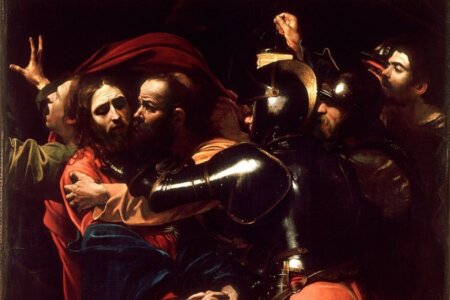
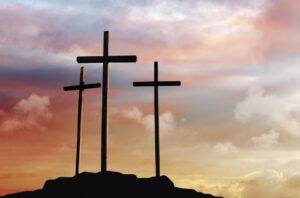
Crucifixion was a common roman punishment for those viewed as political threats
Early christian texts reference jesus' resurrection The acts of the apostles indicates that paul was a roman citizen by birth, but helmut koester took issue with the evidence presented by the text [51][52] some have suggested that paul's ancestors may have been freedmen from among the thousands of jews whom pompey took as slaves in 63 bc, which would explain how he was born into roman. This discovery gives evidence that christianity was vibrant before it was officially and legally recognized by the roman empire in 313 ad.
History of early christianity, the development of the early christian church from its roots in the jewish community of roman palestine to the conversion of constantine i and the convocation of the first council of nicaea For a more extensive treatment of the history and beliefs of the christian church, see christianity. Who is considered the founder of christianity Traditionally, jesus christ is considered the founder of christianity

As both fully divine and fully human, jesus brought god's message of salvation to humanity in a uniquely personal way
His life, teachings, death, and resurrection form the core of christian belief and practice. Explore the role of porcius festus, the roman governor, in early christian history Delve into his interactions with paul the apostle, examine historical and biblical accounts, and assess whether festus's judicial decisions were influenced by christian values or purely roman authority Uncover the nuances of festus's governance and its impact on the early christian movement.
Christians weren't the only ones buried in the catacombs, but jews and roman pagans were also laid to rest there The catacombs provide us with an important insight into art history, as they contain a great number of frescos and sculptures known to be the earliest examples of christian art. Certainly, for the bulk of the period covered by this course, the christian religion provided the shape of the symbolic world, both for the remnants of the roman order called byzantium and for the medieval synthesis that arose after the collapse of the empire in the west. Jesus and the earliest members of the christian faith tradition were jews, and thus they stood in the faith tradition inherited by hebrew people in israel and the lands of the diaspora
They were monotheists, devoted to the god of israel.
Explore the debated origins and founder of christianity in this insightful article, examining figures like jesus, paul, peter, and mary, and the belief in resurrection as pivotal to the faith's emergence from a scholarly, historical perspective. Discover historical evidence for jesus outside the bible, exploring ancient texts and records that shed light on his life and impact. Christianity is a major religion stemming from the life, teachings, and death of jesus of nazareth in the 1st century ce It has become the largest of the world's religions and, geographically, the most widely diffused.
In this exploration, we'll examine ten surprising facts about christianity that most people—including many christians—have never encountered These aren't obscure trivia or minor footnotes but significant truths that reshape understanding of christian history, theology, and global impact.