Theologians Settle The Founder Of Christianity Question In New Study Spread Overview History & Orig Lesson Com
The growth of christianity and its enhanced status in the roman empire after constantine i led to the development of a distinct christian historiography, influenced by both christian theology and the development of the christian biblical canon, encompassing new areas of study and views of history. Yet even after the parameters of orthodoxy were established, christian thinkers continued to face difficult philosophical questions about the meaning, coherence, and plausibility of settled christian doctrines. Few protestant theologians in the middle of the 20th century were willing to endorse the ancient dogma of the two natures in christ as unconditionally as the reformers had done, for between the reformation and modern theology there intervened a debate over christology that altered the perspective of most protestant denominations and theologians.
Social Studies- Origins of Christianity Study Guide | TpT
Definitions and problems in 1971 jaroslav pelikin characterized historical theology as the genetic study of christian faith and doctrine, but this way of speaking carries with it inherent ambiguity How did the council of chalcedon affect christology Were we to ask the great theologians of the second and third centuries, they would have agreed that doctrine is something that has been revealed by god in christ and faithfully and infallibly.
- Social Media Erupts Over St Paul Tuition Fees Is Elite Education Worth The Cost
- Community Heritage Projects Secure The Future Of Oak Road Lutheran Church
- Why Saint Paul Early Childhood Ministries 2026 Play Lab Is Viral
Finally, all questions concerning the rise of christianity are one
How did a tiny and obscure messianic movement from the edge of the roman empire dislodge classical paganism and become the dominant faith of western civilization Although this is the only question, it requires many answers—no one thing led to the triumph of christianity The chapters that follow will. The reformation was a seismic event in christian history, and it produced several key theologians who reshaped christianity, particularly in the areas of soteriology (the study of salvation) and ecclesiology (the study of the church).
These 2025 archaeological discoveries reshaped what we know about the bible from a garden at the holy sepulchre to new dates for the dead sea scrolls, new research is offering detailed glimpses. Origen of alexandria stands as one of the most influential figures in the history of early christianity From towering cathedrals to intimate prayer gatherings, christianity's influence permeates nearly every corner of the globe Its enduring presence begs a fundamental question
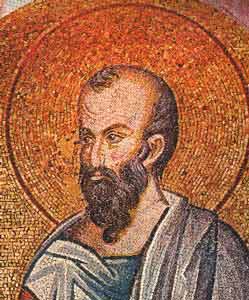
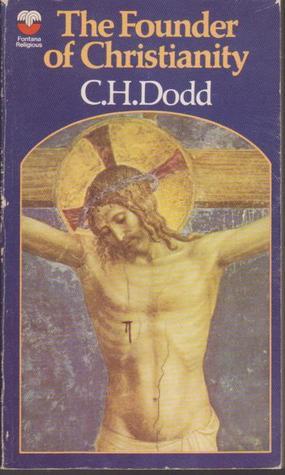
Who is the founder of christianity
For centuries, this question has sparked lively debate among theologians, historians, and everyday people alike With its rich historical tapestry woven over millennia, christianity. Section 1 lays out the substance of theology After an introductory discussion of the term 'theology' and its developing meaning within christianity, the section introduces theology's central subjects, outlining their basic claims, their key questions, and the main challenges they face.
The doctrine of the trinity, considered the core of christian theology by trinitarians, is the result of continuous exploration by the church of the biblical data, thrashed out in debate and treatises, eventually formulated at the first council of nicaea in ad 325 in a way they believe is consistent with the biblical witness, and further refined in later councils and writings [2] nontrinitarianism is any of several christian beliefs that reject the trinitarian doctrine that god is three distinct persons in one being Modern nontrinitarian groups views differ widely on the nature of god, jesus, and the holy spirit Historical theology is the academic study of the development of christian theology.

[1] it concentrates primarily upon the texts of the old testament and of the new testament, as well as on christian tradition
Christian theologians use biblical exegesis, rational analysis and argument. A correct study and application of historical theology helps us recognize and learn from christian teachers and leaders from centuries past The two great schools of biblical interpretation in the early christian church incorporated neoplatonism and philosophical beliefs from plato 's teachings into christianity, and interpreted much of the bible allegorically The founders of the alexandrian school of christian theology were clement of alexandria and origen.
Three important schools within christian theology of religions are pluralism, inclusivism, and exclusivism, which describe the relation of other religious traditions to christianity and attempt to answer questions about the nature of god and salvation. He spoke proficient latin, excelled at philosophy, and qualified to take up the intensive study of theology in paris Suddenly, though, his father changed his mind and decided john should achieve. One difficulty many theology students face is getting christian theology topics
We have several topics about christianity you can explore.
Theology thus became significant as the means of proclaiming the gods, of confessing to them, and of teaching and preaching this confession In this practice of theology by the greeks lies the prefiguration of what later would be known as theology in the history of christianity. The distinctive formulation of reformed theology in the westminster assembly would prove to be its lasting legacy In new england, immigration of what were puritan family groups and congregations was at its peak for the middle years of king charles's reign.
We can answer that question quicker than a google search can yield answers— jesus christ Christianity is defined by jesus christ, who makes faith in him possible by his very being as one within the trinity—god the father, god the son, and god the holy spirit Only he can originate christianity (followers of jesus christ). Questions about christ (christology) 124

How did the early church understand the humanity of christ